September 24, 2026
Understanding the Process of Body Contouring Farmington Hills
By @franciscovvjx885
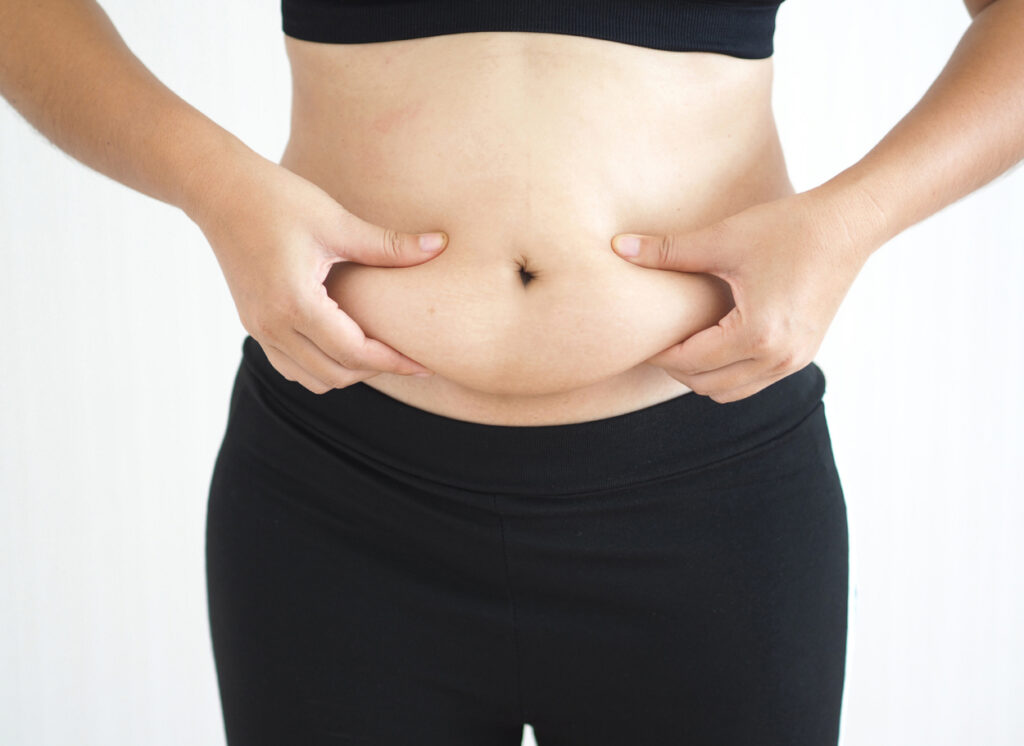
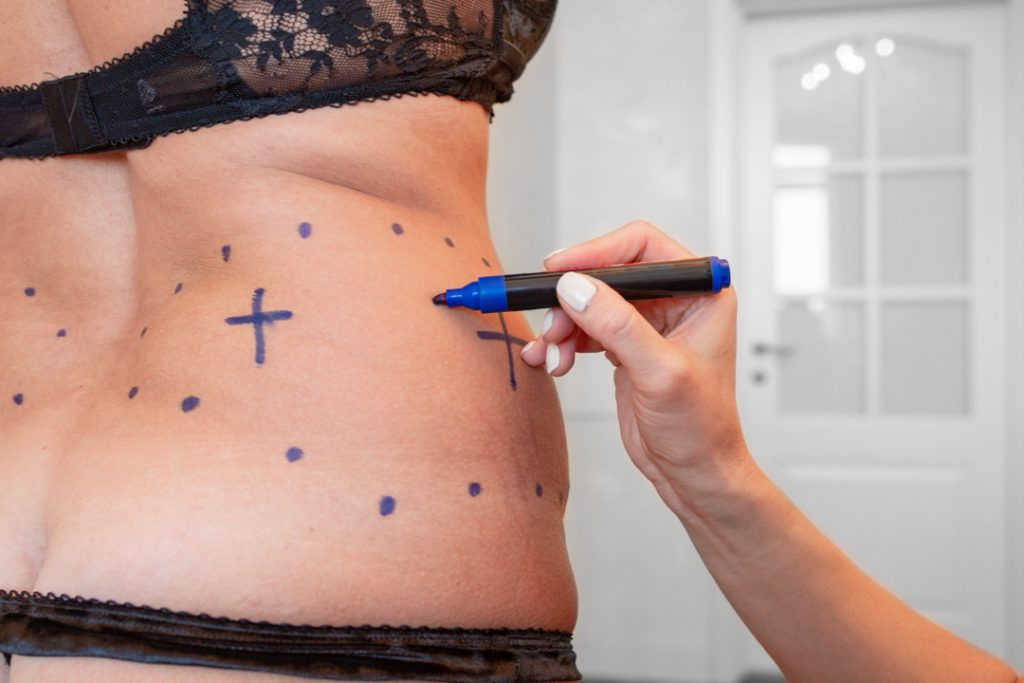
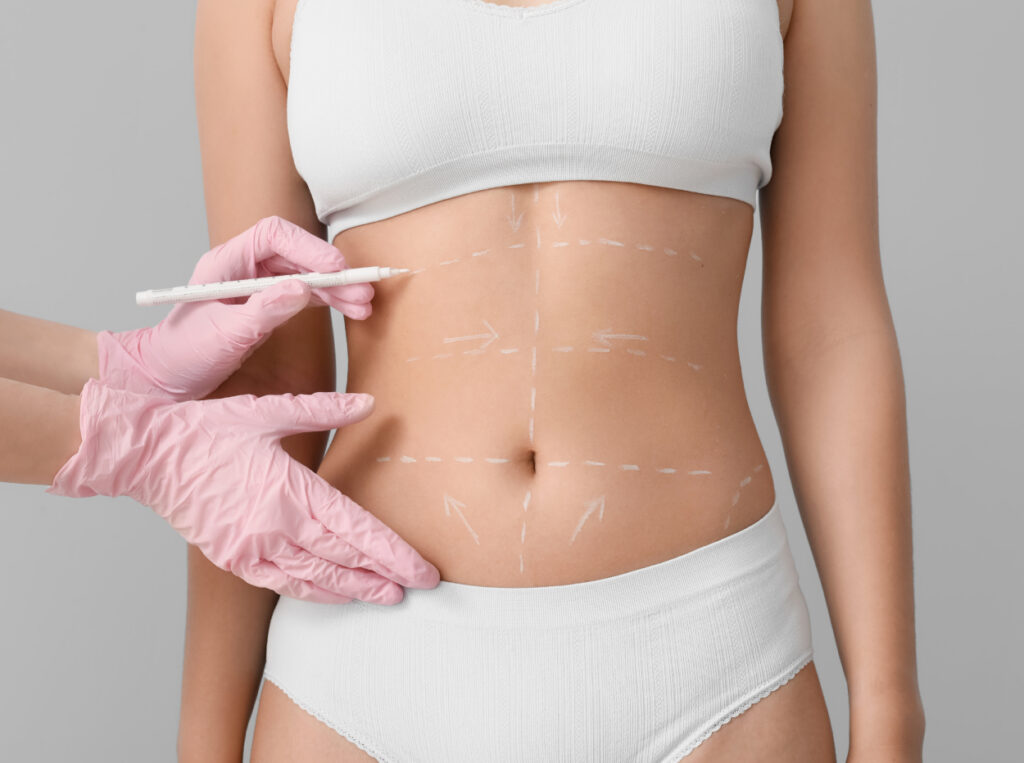
Body contouring is one of those terms people hear often but rarely see explained clearly. Patients usually arrive with a simple goal: they want a smoother waistline, less fullness under the chin, or better definition after weight loss or pregnancy. What they often do not realize is that body contouring is not a single treatment. It is a category of procedures and technologies, each designed for a different kind of concern, a different body type, and a different tolerance for downtime.
That matters because the process is where most good outcomes are made. A flattering result does not start when a machine is switched on or when a procedure begins. It starts earlier, during consultation, measurement, planning, and expectation setting. In practices that handle Body Contouring Farmington Hills patients regularly, the difference between a smooth experience and a frustrating one usually comes down to candidacy and planning, not marketing language.
In a community like Farmington Hills, where patients range from busy professionals to active retirees and parents trying to reclaim some shape after major life changes, the demand is broad. Some are close to their goal weight and want refinement. Others have done the hard work of losing 30, 50, or 100 pounds and feel discouraged by loose skin or isolated areas of fat that do not respond to exercise. Those are very different scenarios, and they require very different recommendations.
What body contouring actually means
Body contouring generally refers to treatments that reshape areas of the body by reducing fat, tightening skin, or both. Depending on the method, the treatment may be noninvasive, minimally invasive, or surgical. That distinction is not cosmetic jargon. It affects discomfort, recovery, cost, speed of results, and the degree of change a patient can expect.
Noninvasive body contouring usually targets stubborn fat or mild skin laxity without incisions. Examples include treatments that use cold, heat, radiofrequency, ultrasound, or electrical stimulation. These can work well for patients who are already fairly close to their desired size and are looking for contour improvement rather than dramatic volume reduction.
Minimally invasive options can go a step further. Some involve small incisions, local anesthesia, or energy delivered under the skin to tighten tissue or remove fat more directly. Surgical body contouring, including liposuction or excisional procedures such as tummy tuck or arm lift, is in another category altogether. It is more involved, but for certain patients, especially those with significant skin redundancy, it may be the only realistic way to achieve the contour they want.
One of the most common misunderstandings is that body contouring is a weight-loss treatment. It is not. The best candidates are usually at a relatively stable weight and want to improve shape, proportion, or definition. If a patient is still actively losing a large amount of weight, most experienced providers will encourage them to continue that effort first, then reassess. Otherwise, the treatment plan may miss the mark.
Why consultation matters more than the treatment menu
When people search for Body Contouring Farmington Hills services, they often compare brand names or promotional offers first. That is understandable, but it skips the most important part. A good consultation should feel less like a sales pitch and more like a strategic planning session.
The provider should ask about weight history, prior procedures, pregnancies, medications, health conditions, scarring tendencies, and lifestyle. They should also examine the area in motion and at rest. Skin quality matters. Muscle tone matters. Where the fat sits matters. A pinchable lower abdomen behaves differently from a firm upper abdomen. A small pocket under the chin behaves differently from fullness caused by laxity in the neck.
Patients are often relieved when someone finally explains why a treatment they saw online may not fit their body. I have seen more than a few cases where someone wanted a noninvasive treatment for the abdomen, only to learn that the larger issue was loose skin, not just fat. In that situation, repeating sessions of fat reduction can actually make the area look less satisfying, not more, because the skin has even less internal volume to drape over.
A strong consultation also includes photography, measurements, and a frank conversation about timelines. Results from many noninvasive treatments are gradual. Some people start noticing change in six to eight weeks, while final improvement may take several months. Surgical changes can be visible sooner, but swelling and tissue settling take time too. Patients who understand that from the start are far happier later.
The most common treatment goals
In everyday practice, the same target areas come up again and again. The lower abdomen remains the classic complaint, especially after pregnancies or weight fluctuation. Flanks are another frequent request because they can persist even in otherwise fit individuals. Under the chin has become increasingly popular, partly because people see themselves on video calls and in phone photos from unflattering angles. Arms, inner thighs, outer thighs, and the area around the bra line also come up often.
What changes from patient to patient is not the location alone but the reason the area bothers them. One patient may hate how clothing fits. Another may feel fit and healthy overall but still see one area that never seems to respond to disciplined eating and exercise. Another may be less concerned with size than with smoothness or skin crepiness. The treatment plan should match that complaint precisely. If it does not, the process can become expensive and disappointing.
How candidacy is determined
The best providers make candidacy decisions by balancing anatomy, expectations, and health. They are not looking only at whether a treatment can be done. They are asking whether it should be done, and whether it is likely to make a visible difference worth the time and cost.
A few practical signs usually point toward a good candidate for noninvasive body contouring. The person has localized fullness rather than generalized obesity. Their weight has been stable for at least several months. Their skin has enough elasticity to contract after fat reduction. They understand that contouring improves shape but does not replace diet, strength training, or a comprehensive weight-loss program.
Patients who are poor candidates are not failures. They simply need a different plan. Someone with a large amount of loose abdominal skin after major weight loss may need surgery to remove that excess. Someone whose main concern is muscle separation after pregnancy may need evaluation for abdominal wall issues, not just fat treatment. Someone with unrealistic expectations, such as hoping to drop multiple clothing sizes from a noninvasive session, needs better guidance before moving forward.
What happens before treatment begins
Once a plan is selected, the pre-treatment phase is usually straightforward, but it should not be casual. Instructions vary by modality, yet preparation often includes avoiding certain anti-inflammatory medications or supplements that may increase bruising, staying well hydrated, maintaining a stable diet, and taking baseline photos.
For surgical or minimally invasive procedures, the preparation becomes more involved. There may be lab work, medical clearance, medication adjustments, compression garments, and scheduling around work and caregiving responsibilities. That last point is easy to underestimate. Even when pain is manageable, recovery demands practical support. Picking up children, going back to a desk job the next day, or attending a major event too soon can turn a manageable experience into a stressful one.
This is where experienced offices stand out. They do not just tell patients what to avoid. They help them think through logistics. If you need three or four sessions spaced over several weeks, can you commit to that schedule? If swelling is expected, do you have a realistic clothing plan? If the chin area is being treated, do you have photos or meetings coming up where temporary fullness would bother you? Those details are not minor. They shape the overall experience.
The treatment appointment itself
One reason body contouring has grown so much is that many options fit more easily into normal life than people expect. Noninvasive treatments often take less than an hour per area, though some can run longer depending on the technology and treatment plan. Sensations vary. Cooling devices may create intense cold or pulling early on, then numbness. Heat-based systems may feel warm to hot. Muscle stimulation treatments can feel surprisingly strong, more like an involuntary workout than a spa experience.
Patients often ask whether these procedures hurt. The most honest answer is that discomfort exists on a spectrum. Many people tolerate noninvasive body contouring quite well, but “pain-free” is not a reliable universal promise. The first few minutes are often the most noticeable. After that, most patients settle in, read, scroll on their phones, or simply wait it out.
Minimally invasive or surgical contouring is a different experience. Anesthesia, sterile preparation, fluid infiltration, small incisions, suctioning, or tissue tightening all bring a higher level of intensity and responsibility. The upside is that the result can be more dramatic and precise. The trade-off is downtime, higher cost, and a more significant recovery curve.
The waiting period, and why patience is part of the process
One of the hardest parts of body contouring is that visible change is rarely immediate. People expect a before-and-after moment, but the biology is slower. The body has to process treated fat, tissue swelling has to subside, and skin has to contract to whatever degree it can. That unfolds over weeks and sometimes months.
This waiting period is where poor communication causes regret. If a patient expects a sculpted abdomen two weeks after treatment, they may feel let down even when everything is progressing normally. If they were told to expect gradual improvement over eight to twelve weeks, sometimes longer, they interpret the same healing process very differently.
Post-treatment sensations also vary more than people expect. Temporary tenderness, numbness, firmness, itching, swelling, and unevenness can all occur depending on the technique used. Most of these effects improve steadily, but they can be unnerving if no one mentioned them beforehand.
Recovery, maintenance, and the role of daily habits
Body contouring can improve silhouette, but it does not freeze the body in place. Weight gain after treatment can change the result. Aging continues. Hormonal changes continue. Pregnancy, menopause, stress, sleep disruption, and reduced activity all affect body composition over time.
That is why reputable providers talk about maintenance from the beginning. The strongest results tend to hold best when patients preserve stable routines. They do not need perfection, but they do need consistency. A patient who treats contouring as the final polish on an already solid lifestyle almost always reports more satisfaction than someone who hopes treatment alone will create the lifestyle for them.
A short maintenance framework often helps patients stay realistic:
- Keep weight fluctuations modest whenever possible.
- Follow post-treatment instructions closely, especially with compression or massage if advised.
- Support results with regular movement and strength training.
- Give the body enough time before judging the final outcome.
- Return for reassessment if the result plateaus or changes over time.
That list looks simple, but in practice it is where many outcomes are protected. A treatment can be technically excellent and still feel underwhelming if a patient returns immediately to habits that worked against them in the first place.
How providers in Farmington Hills typically tailor the process
The local patient population shapes the pace and style of care. In Farmington Hills, many patients want privacy, practicality, and minimal disruption. They are often balancing work, family, and social commitments. That tends to favor treatments with shorter appointments and manageable downtime, but it does not mean they should default to the least invasive option. The best local practices understand that convenience matters, yet they also know when convenience should not override effectiveness.
For example, a patient preparing for a wedding, a reunion, or a vacation may push for the fastest route. https://www.behance.net/ardwaterproof Sometimes that works. Sometimes it leads to rushed decision-making. A seasoned provider will step back and ask the harder question: can this treatment produce meaningful change within that timeline, or would it be more responsible to delay and choose a better option?
That kind of judgment is especially important with combination plans. It is increasingly common to pair fat reduction with skin-tightening approaches, or to stage treatments so one supports the next. Done well, that can create a more refined result. Done poorly, it becomes expensive layering with little visible benefit. Timing, tissue response, and patient priorities all need to line up.
Questions worth asking before you commit
Patients do not need to know every technical detail, but they should leave a consultation with a clear grasp of the plan. The answers should make sense in plain English. If they do not, that is a warning sign.
Here are five questions that usually reveal the quality of the process:
- Am I a good candidate for this specific treatment, and why?
- Is my main issue fat, loose skin, muscle laxity, or a combination?
- How many sessions are typically needed to see a noticeable change?
- What kind of downtime, swelling, or temporary side effects should I realistically expect?
- If this option is not the best fit, what would you recommend instead?
A confident, ethical provider will not be bothered by those questions. They should welcome them. In fact, the more tailored and specific the answers are, the more likely the process is being handled thoughtfully.
Cost, value, and the danger of shopping by price alone
Cost comes up quickly in any body contouring conversation, and it should. These treatments can represent a meaningful investment. What patients sometimes miss is that low entry pricing may not reflect the full process. A discounted first session may not mention that three or four sessions are commonly needed. A bundled package may sound attractive until you realize the treatment is not well matched to your anatomy in the first place.
Value is not simply the lowest number. It is the combination of appropriate technology, honest candidacy assessment, skilled application, safety standards, and follow-up. A patient who pays more for the right treatment once can spend less overall than a patient who cycles through cheaper but poorly chosen options.
That does not mean the most expensive clinic is automatically the best. It means pricing should be interpreted in context. Ask what is included, how outcomes are assessed, whether touch-ups are ever discussed, and what happens if the response is less than expected. Clarity is part of professionalism.
Realistic results are often the most satisfying ones
The patients who end up happiest with Body Contouring Farmington Hills services are usually not the ones chasing perfection. They are the ones who know exactly what bothers them and choose treatment that matches the problem. They understand the difference between improvement and transformation. They notice that dresses fit better, waistbands sit more smoothly, or side-profile photos feel less frustrating. Those are meaningful wins.
There is also a psychological side that providers should respect. Body contouring can be empowering, but it should not be framed as a cure for self-esteem or a substitute for broader health. The best experiences happen when treatment supports a person who is already engaged in caring for themselves, not when it is sold as the single answer to long-standing dissatisfaction.
For some, the right decision is moving forward with treatment. For others, the right decision is waiting, losing a bit more weight, building muscle first, or choosing surgery over repeated noninvasive sessions. A process that leads to those decisions is still a successful process. It is better to hear a careful “not yet” than a convenient “yes” that produces a weak result.
What to remember as you evaluate your options
If you are considering body contouring, focus less on the promise of quick sculpting and more on the logic behind the plan. The process should make sense from start to finish. You should understand what is being treated, why that method was selected, what the recovery will involve, and how the result is likely to evolve over time.
That is the real foundation of a good outcome. Technology matters. Provider skill matters. But the clearest predictor of satisfaction is whether the treatment plan matches the body in front of the provider, not the advertisement the patient saw the week before.
When that alignment is there, body contouring can be a very effective tool. It can refine areas that have resisted every sensible effort, restore confidence after major weight changes, and help a patient feel that their outer shape finally reflects the work they have already put in. That is what the process should deliver, not a fantasy, but a well-judged, visible improvement rooted in sound planning.
Aesthetic Plastic Surgery & Laser Center, Michelle Hardaway M.D.
Address: 27920 Orchard Lake Rd, Farmington Hills, MI 48334
Phone number: +12482211957
FAQ About Body Contouring Farmington Hills
What does body contouring actually do?
Body contouring (or body sculpting) eliminates stubborn localized fat, tightens loose, sagging skin, and reshapes your silhouette. It is not a weight-loss tool, but rather a cosmetic procedure used to refine and tone specific trouble spots after major weight loss, pregnancy, or aging.
How much does body contouring usually cost?
The total cost of body contouring usually ranges from $2,000 to $25,000+ depending entirely on whether you choose non-surgical sessions or major surgical procedures.
Because "body contouring" covers everything from simple fat-freezing to comprehensive post-weight-loss surgeries, pricing is heavily categorized by the method used.
What is the best type of body contouring?
Liposuction is a huge topic and worth discussing in more detail, but in terms of body contouring and sculpting, nothing does the job better than liposuction, particularly VASER liposuction.
❧